
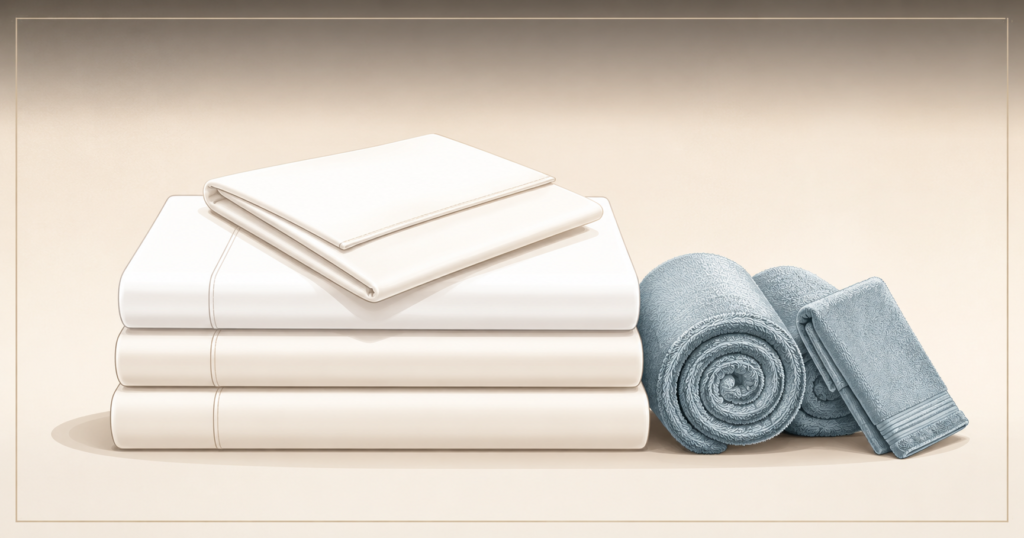
Hotel Linen Procurement Guide: How Hotels Can Choose the Right Supplier
Hotel Linen Procurement Guide: How Hotels Can Choose the Right Supplier Introduction Choosing linen for a hotel property is rarely as simple as picking sheets and towels that look good in a photo. For procurement teams, hotel owners, and purchasing managers, it involves matching fabric, construction, and supplier capability to the realities of daily housekeeping, commercial laundering, and guest expectations. This hotel linen procurement guide walks through how to approach the process methodically, so purchasing decisions hold up long after the first order arrives. Whether you manage a single boutique property or oversee purchasing across multiple locations, the goal of hotel linen procurement is the same: find linen that performs reliably under real operating conditions, from a supplier you can depend on for repeat orders. What Is Hotel Linen Procurement? Hotel linen procurement is the process of identifying, evaluating, and purchasing bedding, bath, and other textile products for hospitality use. It covers everything from defining what a property actually needs, to comparing fabric options, to vetting suppliers on consistency, lead times, and after-sales support. It’s a different exercise from buying linen for personal or retail use. Hotel linen has to withstand frequent commercial laundering, consistent handling by housekeeping staff, and constant guest contact, all while maintaining a consistent look and feel across every room. A good-looking sheet that shrinks unevenly after a few industrial wash cycles, or a towel that loses absorbency quickly, creates ongoing costs and guest complaints that outweigh whatever was saved on the initial purchase. Because of this, procurement decisions benefit from being treated as an operational decision as much as a design one — informed by how a property actually runs, not just by how a product looks on a supplier’s website. Start With Your Property’s Linen Requirements Before comparing suppliers or fabrics, it helps to have a clear picture of what your property actually needs. This starting point shapes almost every decision that follows. Consider: Documenting these factors before reaching out to suppliers makes conversations more productive and helps avoid ordering linen that doesn’t actually fit the property’s operating rhythm. Create a Hotel Linen Specification Sheet Once requirements are documented, it helps to turn them into a single reference document: a linen specification sheet. This is simply a structured record of exactly what your property needs, so that every supplier is quoting against the same criteria and every reorder matches the original purchase. A useful specification sheet typically includes: This document doesn’t need to be technical or exhaustive on the first pass. Its value is in giving procurement teams and suppliers a shared, written reference point — which makes it far easier to compare quotes side by side, catch mismatched sizing before an order ships, and keep future reorders consistent with what was originally approved. Understand the Main Types of Hotel Linen Hotel linen procurement typically spans a few core categories, each with its own considerations: For properties working from a shared catalog, browsing bedding and bathroom linen ranges side by side can be a useful way to see how sizing and finish options line up across categories before requesting samples. Not every property needs every category from every supplier. It’s often more practical to prioritize the items with the highest guest contact and the fastest wear, which for many properties tends to be sheets and towels, before expanding sourcing to secondary items. Evaluate Fabric, Construction, and Performance What should hotels consider when purchasing linen? At a fabric level, hotels should look at fiber composition, construction, weight, durability, and how the material is likely to perform under repeated commercial laundering — not just how it feels in a showroom sample. Key factors to evaluate include: It’s worth noting that the “right” specification isn’t universal. What works for a high-turnover business hotel may not be the right fit for a boutique riad with lower volume but higher guest expectations per room. Rather than chasing a single ideal spec, it’s more useful to match fabric and construction choices to your property’s laundering process, guest profile, and budget. Don’t Evaluate Thread Count in Isolation Thread count is one of the most commonly cited numbers in linen marketing, but it’s also one of the easiest specifications to misread on its own. A high thread count can indicate a tightly woven, durable fabric, though it isn’t always a reliable measure by itself — in some cases, weaving techniques can raise the stated thread count without a proportional improvement in feel or performance. Rather than treating thread count as a standalone quality signal, it’s more useful to weigh it alongside other factors already covered above: fiber type, weave construction, weight, and how the fabric actually feels and performs once tested. Two sheets with similar thread counts can feel and wear very differently depending on the fiber quality and construction behind that number. When comparing suppliers, it’s reasonable to ask what thread count means for their specific product and how it relates to the fabric’s overall construction, rather than relying on the figure by itself. Consider Commercial Laundering Linen that looks and feels excellent out of the packaging can behave very differently after repeated commercial laundering. This is one of the most overlooked parts of hotel linen procurement, and one of the most consequential. Before finalizing an order, it’s worth understanding how a given fabric is likely to respond to: Rather than relying on generic wash-cycle claims, it’s reasonable to ask a supplier directly how their products are intended to be laundered, and to test that process against your property’s actual laundry setup — whether in-house or outsourced — before committing to a large order. Request and Test Samples Before a Large Order Why are linen samples important before a bulk order? Samples let procurement teams evaluate real fabric feel, construction, and fit before committing to volume — something that’s difficult to judge accurately from photos or product descriptions alone. When reviewing samples, it’s worth checking: Testing a small batch through a few real laundering cycles before placing a full order