Office No. 203, 2nd Floor, Plaza No. 100, Sector Business District North, Phase 8, Bahria Town, Rawalpindi.

Author name: atlasinduslinen@gmail.com

hotel linen inventory management
Hotel Linen

Hotel Linen Inventory Management: A Practical Guide

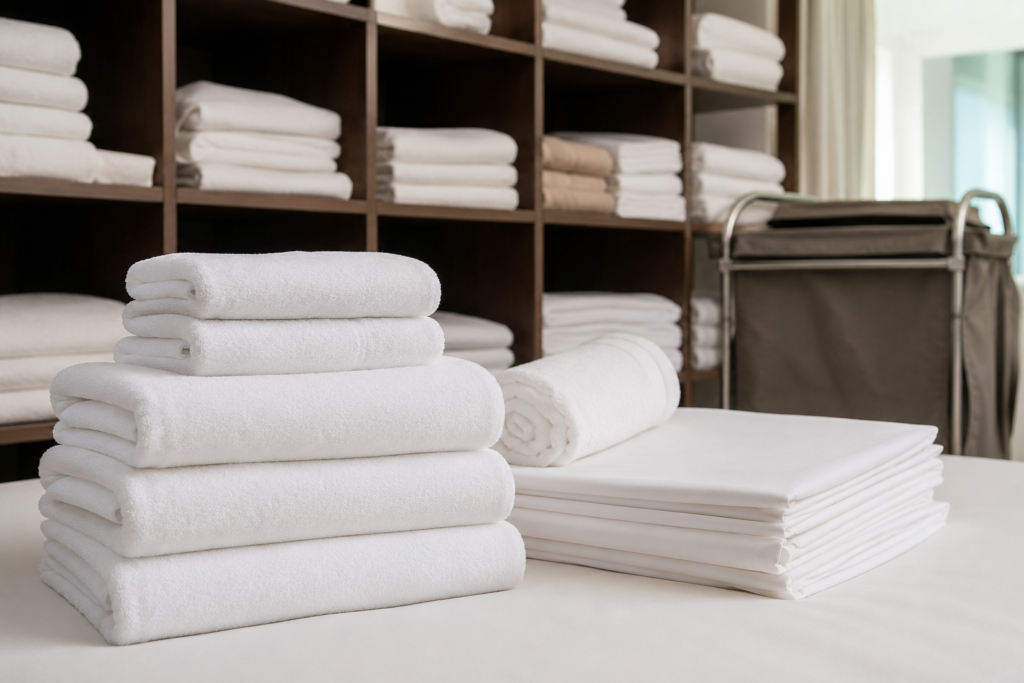
Hotel Linen Inventory Management: A Practical Guide for Hospitality Teams Managing hotel linen effectively is an important part of running a well-organized hospitality operation. Bed sheets, pillowcases, duvet covers, towels, bath mats, and other textiles move through guest rooms, housekeeping areas, laundry facilities, and storage rooms every day. Without a clear system, hotels can experience unnecessary shortages, excess stock, damaged linen remaining in circulation, or difficulty understanding when products need to be replaced. Hotel linen inventory management provides a practical framework for tracking, organizing, inspecting, and replenishing these essential textiles. The right system will vary from one property to another, but the basic principles are useful for hotels, resorts, serviced apartments, guest houses, and other accommodation businesses. What Is Hotel Linen Inventory Management? Hotel linen inventory management is the process of monitoring and organizing the textile products a property needs for its daily operations. It can include: Inventory management is not simply counting how many pieces are stored in a linen room. It also involves understanding where products are being used, which items are in laundry, which pieces are available for use, and which products need repair or replacement. A well-organized system gives housekeeping and management teams a clearer picture of the hotel’s actual linen requirements. Why Hotel Linen Inventory Management Matters Hotels need enough linen to support occupied rooms while other textiles are being washed, dried, inspected, or stored. If inventory is too low, housekeeping teams may struggle during busy periods. If the property holds significantly more stock than it needs, storage space and purchasing budgets may be used inefficiently. Effective inventory management can help hotels: The objective is not to maintain a particular inventory number simply because another hotel uses it. Each property should determine its requirements based on its own operation. How to Calculate Hotel Linen Requirements There is no universal number of linen pieces that every hotel needs. The appropriate inventory depends on several factors. Number of Guest Rooms A larger property will generally require more linen than a smaller one. However, room count alone does not determine the correct inventory level. Occupancy Patterns A hotel with consistently high occupancy may need different stock levels from a property with significant seasonal changes. Understanding expected occupancy patterns can help managers plan their linen requirements more realistically. Laundry Turnaround Time The time required to collect, wash, dry, inspect, and return linen to storage can affect how much usable stock a hotel needs. Longer turnaround periods may require additional reserve inventory so housekeeping operations can continue without interruption. Room Configuration Different room types may require different combinations of sheets, pillowcases, duvet covers, towels, and other textiles. A hotel should therefore calculate inventory according to its actual room configurations. Replacement and Loss Linen can become unsuitable for use because of wear, damage, permanent staining, loss, or other operational factors. Replacement requirements should be considered when planning inventory rather than treating them as unexpected events. What Is a Linen Par Level? A linen par level is a target amount of linen that a hotel aims to maintain for a particular operation. The appropriate level depends on the property’s room count, occupancy, laundry process, storage capacity, and operating procedures. For example, a hotel may establish separate target levels for sheets, pillowcases, bath towels, and other textile categories. The important point is that par levels should reflect the hotel’s actual requirements rather than being copied from another property without evaluation. How to Organize a Hotel Linen Inventory A simple organization system can make inventory easier to monitor. Hotels can separate linen by: For example, king-size sheets can have a dedicated storage location separate from queen-size sheets. Similarly, bath towels and hand towels can be stored separately so housekeeping teams can locate the correct products efficiently. Clear labels can make the system easier to understand, particularly when multiple employees work in the linen room. Keep Clean and Used Linen Separate One of the basic principles of linen management is keeping clean and used textiles appropriately separated. Used linen should follow the hotel’s established collection and laundry process, while clean linen should be stored in a suitable environment that protects it from unnecessary contamination, moisture, and dust. The exact procedures will depend on the hotel’s facilities and operational policies. Inspect Linen Before Returning It to Stock Counting linen is only part of inventory control. Hotels should also monitor condition. After laundering, staff can check for: Items that no longer meet the property’s requirements can be separated for appropriate action. This prevents damaged or unsuitable textiles from being counted as fully usable inventory. Track Linen Loss and Damage Linen inventory can change for reasons other than normal wear. Products may become damaged, permanently stained, misplaced, or otherwise unavailable. Recording these events can help management identify patterns. For example, if a particular product repeatedly needs replacement, the hotel can investigate whether the issue relates to product suitability, laundering, handling, storage, or another operational factor. The purpose of tracking is not simply to record losses. It is to understand why they occur. Hotel Towel Inventory Management Towels deserve specific attention because their performance requirements differ from those of bed linen. Hotels may manage separate stock levels for: Inventory teams should monitor both quantity and condition. A towel that is physically present but no longer suitable for guest use should not be treated as fully usable inventory. Hotels can therefore combine quantity checks with condition inspections. How Often Should Hotel Linen Inventory Be Checked? There is no single checking schedule that is appropriate for every property. The frequency can depend on: A property with a high volume of daily linen movement may require more frequent monitoring than a smaller operation. The important objective is to identify shortages, losses, and unusual changes before they disrupt housekeeping operations. Create a Simple Linen Inventory Record A basic record can contain information such as: Linen type Size Usable stock In laundry Damaged Replacement needed Bed sheets King — — — — Bed sheets Queen — — — — Pillowcases Standard — —

hotel linen care after commercial washing
Hotel Linen

Hotel Linen Care After Commercial Washing: Complete Guide

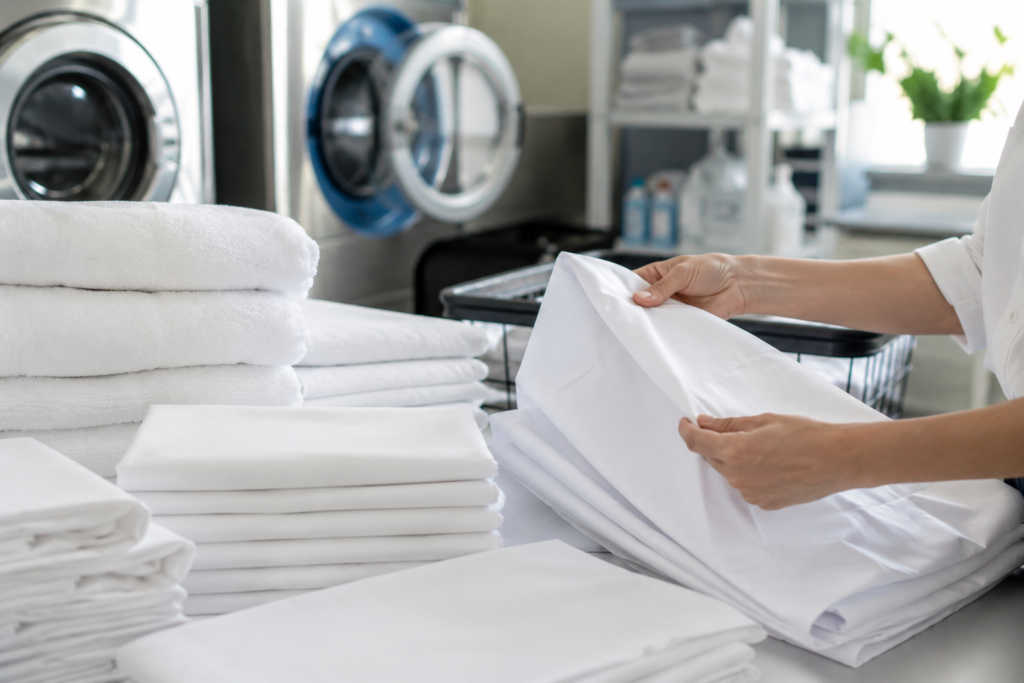
Hotel Linen Care After Commercial Washing: A Practical Guide Hotel linen goes through a demanding cycle of washing, drying, handling, storage, and repeated use. For hotels, resorts, serviced apartments, and other hospitality businesses, maintaining linen quality is not simply about keeping sheets and towels clean. Proper care after commercial washing can also help protect fabric condition, maintain presentation, and identify worn items before they become a larger operational problem. Hotel linen care after commercial washing starts as soon as the washing cycle is complete. How linen is dried, inspected, handled, folded, stored, and rotated can all affect its ongoing condition. This guide explains practical ways hospitality teams can care for hotel bed linen and towels after commercial laundering while following the care requirements of the specific textile. Why Hotel Linen Needs Proper Care After Commercial Washing Commercial laundry processes are designed to handle large volumes of hospitality textiles. Hotel sheets, pillowcases, duvet covers, towels, and other linen may be washed frequently and exposed to mechanical action, detergents, heat, and drying processes. The exact effect depends on the fabric, construction, laundering process, and manufacturer’s care instructions. That is why there is no single washing or drying method that is appropriate for every type of hotel linen. Post-wash handling is another important part of the process. Linen that has been properly washed can still develop problems if it is stored while damp, handled carelessly, exposed unnecessarily to heat, or returned to service without inspection. A consistent post-wash routine helps housekeeping and laundry teams identify issues early and maintain better control over linen inventory. How to Handle Hotel Linen Immediately After Washing The period immediately after washing is an important part of hotel linen maintenance. Remove Linen From the Laundry Process Promptly Clean textiles should be handled according to the laundry facility’s established procedures rather than being left in an unsuitable environment for longer than necessary. Prompt handling can help the team move clean linen efficiently toward drying, finishing, inspection, and storage. Separate Linen by Type Hotel laundry commonly includes several different textile categories, such as: Separating items by type makes inspection, folding, storage, and inventory management easier. It also helps teams apply the appropriate care requirements to different textile products. Inspect Before Folding and Storage A quick inspection can identify: Items that do not meet the hotel’s cleanliness or quality standards should be handled according to the property’s laundry and replacement procedures. Proper Drying Practices for Hotel Linen Drying is a major part of post-wash linen care. The correct drying process depends on the textile and its manufacturer’s instructions. Hotel teams should avoid assuming that the same heat level or drying duration is suitable for every product. Avoid Unnecessary Over-Drying Excessive heat or prolonged drying can place additional stress on some textile materials. The goal should be to achieve the required dryness while following the care instructions supplied for the particular linen. This is especially important when a hotel uses several different fabric constructions or blends. Follow Manufacturer Care Instructions Care labels and supplier specifications should take priority over generic laundry advice. When purchasing hotel linen, hospitality buyers should keep the recommended washing and drying requirements available for laundry and housekeeping teams. This creates a more consistent process and reduces the risk of applying unsuitable treatment to a particular textile. Make Sure Linen Is Fully Dry Before Storage Clean linen should be properly dried before it is placed into storage. Storing damp textiles can create avoidable moisture-related problems and may compromise the condition of otherwise clean linen. For this reason, dryness should be one of the checks completed before clean stock enters the linen room. How to Inspect Hotel Linen After Commercial Washing Inspection should be a routine part of hotel linen management rather than something done only when a guest complaint occurs. A simple inspection system can help housekeeping teams identify recurring laundry or textile problems. Check Cleanliness Look for remaining visible soil, stains, or other signs that the item requires additional processing according to the property’s procedures. Check Fabric Condition Look for signs of excessive wear, thinning, holes, or other physical damage. A single damaged item does not necessarily indicate a problem with the entire laundry process. However, repeated damage across similar products may justify reviewing the laundering and handling procedures. Check Seams and Hems Seams and hems can experience repeated stress during use and laundering. Inspect for: Early identification allows the hotel to remove unsuitable pieces from guest use before the condition becomes more noticeable. Check Towels for Condition and Absorbency Towels have different performance requirements from bed linen. In addition to checking cleanliness and physical condition, housekeeping teams can monitor whether towels continue to provide the level of absorbency expected for their intended use. If a recurring reduction in towel performance is noticed, the hotel can investigate the textile, laundering process, drying process, and product specifications rather than assuming one cause. How to Store Hotel Linen After Washing Proper storage protects the work already completed during the laundry process. Store Only Fully Dry Linen Before clean linen enters storage, confirm that it is properly dry. This simple step should be part of the property’s normal linen-room procedure. Keep Clean Linen Protected Clean textiles should be stored in an environment that protects them from unnecessary exposure to dust, moisture, and other sources of contamination. The exact storage arrangement will depend on the hotel’s facilities and operating procedures. Organize Linen by Type and Size A well-organized linen room makes it easier for housekeeping staff to find the correct items and maintain inventory. For example, separate storage areas can be used for: Clear organization can also make stock checks more efficient. Rotate Usable Linen Hotels can use an appropriate stock rotation system so that usable linen is distributed consistently rather than allowing some pieces to remain unused for long periods. A rotation process should work alongside the hotel’s existing inventory and housekeeping procedures. How to Extend the Useful Life of Hotel Linen There is no universal lifespan that applies to

hotel linen checklist for Moroccan riads
Hotel Linen

Hotel Linen Checklist for Moroccan Riads: Complete Guide

Hotel Linen Checklist for Moroccan Riads: A Practical Guide for Owners & Managers Hotel linen checklist for Moroccan riads planning, purchasing, and daily housekeeping can make a significant difference to guest comfort, room presentation, laundry efficiency, and operating costs. A riad is not simply a smaller hotel. These traditional Moroccan properties are typically organized around an interior patio or garden and are valued for their distinctive atmosphere, hospitality, and sense of place. That means linen needs to do two jobs at once: it must perform reliably in a hospitality environment while also supporting the clean, comfortable, and refined experience guests expect. A practical linen system should cover bed linen, bathroom towels, pool or hammam towels where applicable, bath mats, robes, decorative textiles, laundry stock, replacement items, and housekeeping controls. This guide provides a practical hotel linen checklist for Moroccan riads, whether you operate a small guesthouse in Marrakech, a traditional property in Fes, a boutique riad in Essaouira, or a larger luxury accommodation. Why Do Moroccan Riads Need a Dedicated Linen Checklist? Linen is one of the most frequently handled parts of a guest room. Sheets are removed, washed, dried, folded, inspected, stored, transported, and placed on beds repeatedly. Towels experience similar cycles, often with additional exposure to water, cosmetics, pool use, hammam services, and intensive laundry. Without a defined checklist, it is easy for a riad to experience problems such as: A checklist turns linen management into a repeatable housekeeping process rather than something staff have to remember from day to day. Hotel Linen Checklist for Moroccan Riads Before purchasing or reviewing your current inventory, divide your linen into clear categories. 1. Bed Linen Checklist Every guest bed should have the correct linen for its size and configuration. Check your inventory for: The exact combination depends on the riad’s bed configuration. For example, one room might use a 160 cm double bed while another uses two single mattresses. Some riads also have family rooms or suites with additional sleeping arrangements. Real Moroccan riads show how varied these configurations can be. For example, Riad Explore lists queen-size beds, twin configurations, cotton bed linen, thermal blankets, and non-feather pillows among its room facilities. The important point is to inventory linen according to actual bed sizes, not simply count “one set per room.” 2. Pillow Linen Checklist Pillows have a direct relationship with guest comfort, so pillow protection should be part of the linen plan. Your checklist should include: Keep pillowcases grouped by size so housekeeping staff can quickly select the correct items. If your riad uses different pillow sizes across rooms, label storage shelves clearly. 3. Bathroom Linen Checklist Bathroom linen is especially important because guests notice towel quality quickly. A basic bathroom inventory may include: Some Moroccan riads provide a combination of bath towels, hand towels, pool towels, bath mats, and bathrobes as part of the guest experience. Your exact requirements should depend on the facilities and service level of your property. A riad with a swimming pool needs a different towel inventory from a small property without one. 4. Pool and Hammam Linen Checklist If your riad offers a pool, hammam, or spa-style service, create a separate inventory category rather than mixing those textiles with standard bathroom linen. Consider: Separating these items makes stock control easier and helps prevent staff from accidentally using specialty towels for standard room turnover. How Many Linen Sets Does a Riad Need? There is no single number that works for every Moroccan riad. Your required stock depends on: Instead of relying on a generic number, calculate your linen requirement based on your actual operation. For example, if a riad has 10 rooms, six of which contain double beds and four of which contain twin configurations, the inventory should be calculated according to those individual bed types. Then add enough replacement stock to cover laundry cycles, room turnover, unexpected stains or damage, and periods when occupancy is high. The objective is simple: housekeeping should never have to delay a room because clean linen is unavailable. Choosing Bed Linen for a Moroccan Riad The best bed linen is not necessarily the heaviest or most expensive option. For a riad, consider five practical characteristics: Comfort Guests should experience a clean, comfortable sleeping surface. Softness and breathability can be particularly important in warm climates. Durability Commercial linen needs to withstand repeated laundering. A fabric that feels excellent after the first few washes but deteriorates rapidly may cost more over its useful life. Easy Care Consider how easily the fabric can be washed, dried, ironed, folded, and stored. A beautiful fabric that creates excessive laundry problems may not be practical for a busy property. Appearance Crisp, clean bedding contributes to the visual presentation of the room. White and neutral linen can create a clean hospitality appearance, while carefully selected decorative textiles can provide Moroccan character. Consistency Once you choose a linen specification, try to maintain consistency across rooms where possible. Guests should receive the same basic quality whether they stay in one room or another. Current hotel-linen procurement guidance commonly evaluates bed linen using factors such as fibre, weave, thread count, durability, and laundering requirements rather than relying on one specification alone. Choosing Towels for a Moroccan Riad Towels need to balance softness, absorbency, drying time, durability, and laundry cost. When comparing towels, look at: A heavier towel can feel luxurious, but it may also take longer to dry and require more laundry resources. For that reason, don’t select towels based on GSM alone. One current Moroccan hotel-linen supplier guide notes that professional buyers should consider both fabric specifications and practical laundry requirements when selecting hospitality linen. For a riad, the right towel is the one that gives guests a good experience without creating unnecessary operational problems. Hotel Linen Checklist for Guest Bathrooms Use this quick room-by-room check before every guest arrival: A visual inspection should happen before linen reaches the guest room, not after the guest has already noticed a problem. Hotel Linen Checklist for Guest Bedrooms

Scroll to Top